
Blog Details
Why People Keep Buying Shoes They Don’t Actually Need
There is a familiar moment many shoppers know all too well. You open your closet, stare at rows of wearable shoes, and still feel the urge to buy another pair. Maybe it is a sleek white sneaker, a pair of bold boots, or running shoes marketed as “game-changing.” Even when there is no practical need, the temptation feels surprisingly strong.
Shoe shopping has become more than replacing worn-out footwear. For many people, it is tied to identity, comfort, trends, emotions, and even personal goals. Shoes can make someone feel polished, athletic, confident, creative, or prepared for a fresh start. That emotional connection explains why countless shoppers continue adding to their collections long after their basic needs are met.
For shoe businesses, understanding this behavior is important. People rarely buy shoes only because they need them. They buy them because shoes represent something larger. Let’s explore why footwear continues to hold such a powerful place in modern shopping habits.
Shoes Are Emotional Purchases
Unlike many everyday items, shoes often carry emotional value. A new pair can immediately create excitement. They may symbolize a lifestyle change, a personal reward, or even a confidence boost.
Someone starting a fitness journey may buy new training shoes before stepping into a gym. A traveler may purchase stylish walking shoes before a vacation. A professional might purchase polished footwear before a major interview. In many cases, the shoes represent hope and anticipation more than necessity.
Retail psychology also plays a role. A pair of shoes can feel like an achievable refinement. Compared to larger purchases such as electronics or furniture, shoes often seem more accessible while still delivering a strong emotional payoff.
This combination of affordability and emotional satisfaction makes footwear highly appealing to repeat buyers.
Shoes Help People Express Identity
Fashion has always been connected to self-expression, and shoes are one of the easiest ways to communicate personality without saying a word.
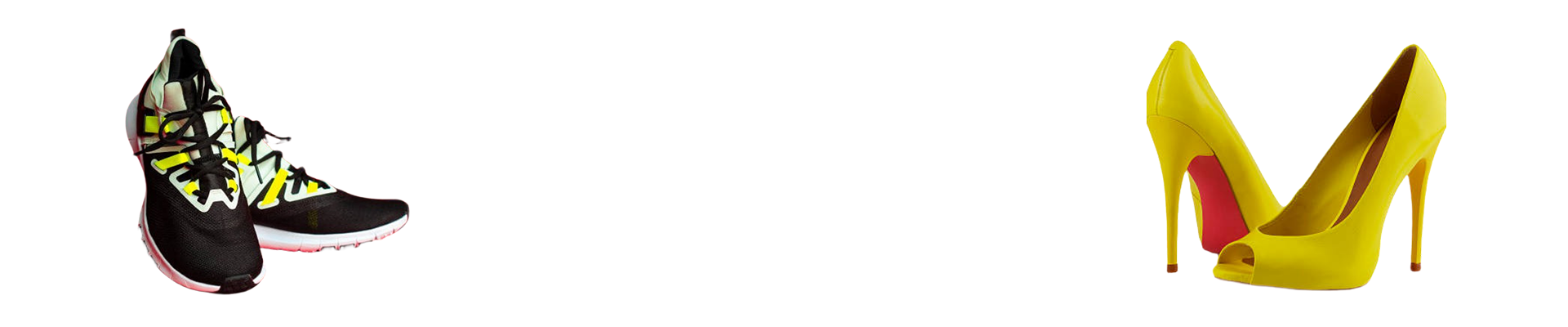
Minimal sneakers may signal simplicity and modern style. Bright athletic shoes can reflect energy and confidence. Boots may suggest boldness or individuality. Formal leather shoes often communicate professionalism and structure.
Many shoppers build collections for different moods, occasions, or versions of themselves. Even if two pairs serve nearly identical practical purposes, they may create completely different emotional impressions.
That is why people often justify additional purchases with phrases like:
- “These feel more versatile.”
- “I don’t have this color.”
- “These match my current style better.”
- “These are for special occasions.”
The reasoning may sound practical, but the motivation is usually emotional and identity-driven.
Trends Create Constant Desire
The footwear industry moves quickly. Every season introduces fresh colors, collaborations, materials, and silhouettes. Social media platforms amplify these trends daily, creating a constant stream of inspiration and temptation.
Limited releases and influencer culture intensify the effect. When shoppers repeatedly see celebrities, athletes, or creators wearing certain shoes, those styles begin to feel culturally important.
Scarcity also increases urgency. When brands promote “limited stock” or “exclusive drops,” customers fear missing out. Even people who already own similar shoes may feel compelled to purchase immediately because the opportunity appears temporary.
Trend cycles also shorten consumer satisfaction. A pair that felt exciting six months ago may suddenly seem outdated after repeated exposure to newer designs online.
This ongoing cycle keeps shoppers engaged and continuously searching for the next purchase.
Comfort Marketing Is Highly Powerful
Modern shoe marketing heavily focuses on comfort, performance, and innovation. Brands promote advanced cushioning, breathable fabrics, ergonomic support, and lightweight construction.
For shoppers, this creates a belief that the next pair will finally deliver the ideal experience.
Even when existing shoes are ideally functional, customers may convince themselves they need improved comfort for walking, working, exercising, or traveling.
This is especially common in categories such as:
- Running shoes
- Walking sneakers
- Work footwear
- Travel shoes
- Lifestyle sneakers
Consumers often view comfort-focused purchases as responsible rather than indulgent, which reduces guilt associated with buying more footwear.
Shoe Shopping Feels Rewarding
Retail experiences are designed to feel enjoyable, and shoe shopping delivers immediate satisfaction.
Trying on shoes creates a physical transformation. The shopper can immediately see how the footwear changes posture, appearance, and confidence. Unlike some products that require time to appreciate, shoes provide an immediate emotional response.
Online shopping adds another layer of convenience. Personalized recommendations, easy returns, and targeted advertisements make it easier than ever to browse and purchase new styles within minutes.
Many consumers also associate shopping with stress relief or celebration. Buying shoes after achieving a milestone, finishing a difficult week, or preparing for an event can feel emotionally rewarding.
Over time, this creates a habit loop where purchasing footwear becomes connected to positive emotional experiences.
Social Media Changed Shoe Culture
Footwear has become deeply connected to online culture. Sneakers, boots, and fashion-forward shoes frequently appear in outfit videos, lifestyle photography, and influencer content.
Platforms centered around visual content encourage people to update their wardrobes more frequently. Since shoes are highly visible in fashion content, they often become focal points of personal style.
Some consumers also feel pressure to avoid repeating the same looks online. This encourages larger collections and more frequent purchases.
At the same time, online communities have transformed shoe collecting into a hobby. Sneaker enthusiasts discuss rare releases, resale value, styling ideas, and upcoming launches with enormous enthusiasm.
For many buyers, the experience goes far beyond simple shopping. It becomes part of a social identity and shared cultural interest.
People Associate Shoes with Aspirational Versions of Themselves
One of the strongest reasons people buy unnecessary shoes is aspiration.
Consumers often purchase footwear for the person they want to become rather than the person they currently are.
A shopper may buy hiking boots with plans for future adventures. Another may purchase sleek athletic shoes as motivation to become more active. Someone else may purchase refined footwear to align with a desired lifestyle image.
These purchases are connected to optimism and self-improvement. The shoes represent possibility, ambition, and future experiences.
That emotional promise can be incredibly persuasive, even when closets are already full.
Seasonal Changes Encourage More Purchases
Footwear needs naturally shift throughout the year. Different weather conditions, events, and fashion trends encourage consumers to rotate styles regularly.
For example:
- Summer encourages sandals and lightweight sneakers
- Autumn increases interest in boots
- Winter drives demand for insulated footwear
- Spring inspires fresh, casual styles
Holiday events, weddings, vacations, and social gatherings also influence buying behavior.
Because footwear is highly seasonal, consumers often feel justified purchasing “just one more pair” for a specific occasion or climate.
Collecting Shoes Becomes a Hobby
For some people, shoes are not simply fashion items. They are collectibles.
Sneaker culture in particular has transformed footwear into a passionate hobby involving:
- Limited editions
- Brand collaborations
- Vintage models
- Performance technology
- Historical significance
Collectors often value rarity, storytelling, craftsmanship, or resale potential.
In these cases, buying shoes is less about utility and more about enjoyment, community, and personal interest.
Just as some people collect watches or vinyl records, others collect footwear because it brings excitement and satisfaction.
Smart Consumers Are Becoming More Intentional
Although shoe shopping remains highly popular, many consumers are becoming more mindful about their purchases.
People are increasingly asking questions such as:
- Will I wear these regularly?
- Do these fit my lifestyle?
- Are they versatile?
- Are they durable?
- Do they genuinely add value to my wardrobe?
This shift has encouraged many footwear brands to focus on quality, longevity, and timeless style rather than only fast-changing trends.
Consumers still enjoy buying shoes, but many now prioritize thoughtful purchasing decisions over impulsive accumulation.
Final Thoughts
People do not buy shoes solely because they need protection for their feet. They buy them because shoes carry emotional meaning, social influence, personal identity, and aspirational value.
Footwear represents confidence, comfort, achievement, style, and self-expression all at once. That combination makes shoes uniquely powerful in the world of consumer behavior.
For shoe businesses, understanding these motivations can create stronger customer connections. Shoppers are not simply searching for products. They are searching for experiences, feelings, and versions of themselves they want to express.
And sometimes, even with a closet full of options, one more pair still feels impossible to resist.