
Blog Details

From Fashion Obsession to Style Fatigue: The Rise and Fall of Chunky Shoe Trends
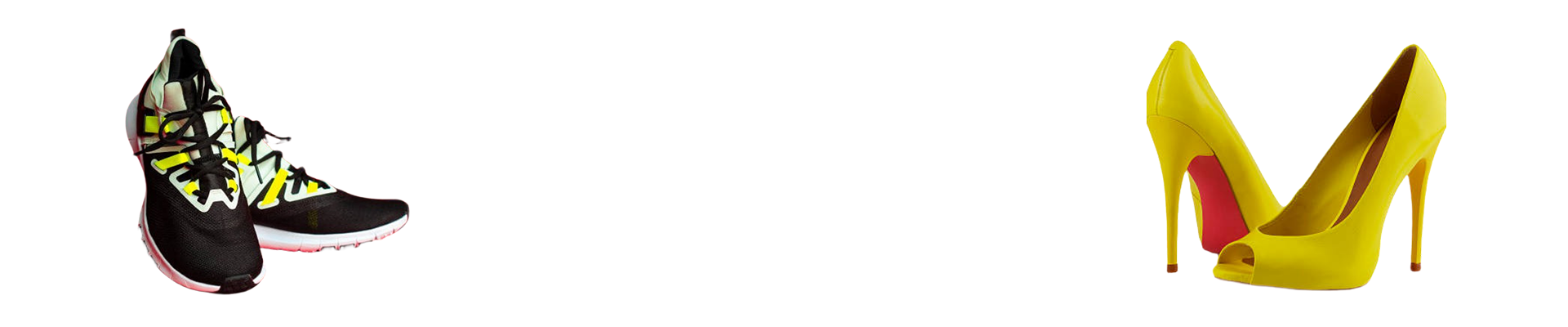
Chunky shoes have dominated the fashion scene for quite some time. Featuring thick soles, oversized silhouettes, exaggerated designs, and bold proportions, these shoes were nearly impossible to ignore.
Chunky footwear simply transformed from a niche trend into a global style movement. Questions about the look were initially raised, as some termed the shoes to be bulky, awkward, or even overly dramatic. Nevertheless, within a short span, chunky sneakers and platform-inspired footwear became a massive trend.
However, over time, like it has been noticed in majority fast-moving trends, the trend began to shift. It marked the return of minimal sneakers, while cleaner silhouettes gained attention. Questions were raised whether oversized footwear was still fashionable or simply exhausting.
You can easily understand how fashion cycles evolve with the story of chunky shoe trends. Besides, you can understand how social media influences trends and why even a highly dominant style faces decline. Let’s explore the entire story here.
Chunky Shoes Were Inspired by the Past
During its resurgence, chunky footwear felt modern, but in reality, the trend drew heavy inspiration from past decades. In the 1990s and early 2000s, the ‘dad shoe’ aesthetic has played a major role, in shaping this movement. Some features of athletic sneakers from that era included:
- Thick midsoles
- Heavy construction
- Layered materials
- Oversized proportions
- Bold color combinations
The design of these shoes at that time was more about function and not fashion. Nevertheless, nostalgia transformed these once practical styles into statement pieces, decades later. Chunky footwear has become another example of older aesthetics returning with a modern twist, like so many other trends in fashion.
Major brands, streetwear labels, and even athletic companies have all recognized the heightening interest in retro-inspired designs, and have quickly embraced the movement as well.
Social Media Accelerated the Trend
Social media was the major reason why chunky shoes were built for. The oversized appearance and design of these shoes stood out in photos and videos. You could immediately grab attention with chunky sneakers, which was not possible with subtle minimalist footwear.
In outfit posts, influencer content, celebrity streetwear photography, and fashion-focused platforms, such shoes became highly visible. With high visibility came immense popularity. Besides, more experimental fashion choices were encouraged by social media as well.
As such shoes photographed well and generated immense engagement online, consumers were naturally attracted towards such celebrity footwear. With chunky shoes, you can check all the below boxes:
- Visually dramatic
- Trend-focused
- Easily recognizable
- Highly stylized
- Associated with fashion influencers
More creators started embracing oversized footwear, and thus, the trend gradually shifted across multiple fashion communities and age groups as well.
Upscale Fashion Helped Legitimize the Look
Exaggerated sneaker silhouettes were introduced by upscale fashion houses, which became a major turning point for chunky shoes. A transformation took place, as athletic-inspired footwear became refined fashion statements, and high-end designers were at the heart of this shift.
Shoes suddenly became status symbols connected with upscale culture, from vintage running sneakers. A dramatic shift in public perception was noted due to the same. Suddenly, to some consumers, shoes that were once labelled as unconventional or ugly became fashionable, simply because upscale brands framed this aesthetic as intentional, modern, and even exclusive.
It has often happened in fashion that mainstream retailers quickly followed a new trend, and it was the same this time around too! Affordable brands also started introducing similar styles, and thus, just like that chunky footwear became accessible to a wider audience.
Oversized sneakers started appearing everywhere suddenly, from high-end fashion boutiques to everyday casual stores.
Chunky Shoes Offered a Bold Style Identity
Chunky shoes projected a subtle confidence, which further enhanced its appeal as well. While minimal footwear tends to blend into an outfit, chunky shoes stand out and become the centerpiece. These shoes add visual weight, height, and even attitude.
In the case of some consumers, this trend represented individuality and even bold self-expression as well. Traditional ideas about sleek or delicate footwear were openly challenged by this oversized aesthetic. Besides, chunky sneakers also paired well with popular fashion movements, which included:
- Oversized streetwear
- Relaxed tailoring
- Wide-leg pants
- Layered casual outfits
- Athleisure fashion
The combination created a strong visual identity that appealed to trend-conscious shoppers looking to stand out.
Comfort Was Part of the Appeal
While style played the biggest role, comfort marketing also helped chunky shoes gain momentum.
Many consumers associated thick soles with improved cushioning and support. The substantial appearance of the shoes created the impression of softness, stability, and everyday wearability.
For some people, chunky shoes genuinely felt comfortable due to added padding and shock absorption.
However, the comfort experience varied widely. Some oversized shoes were surprisingly lightweight and practical, while others prioritized aesthetics over functionality.
Still, the idea of combining bold fashion with casual comfort made the trend even more attractive to modern consumers.
The Trend Eventually Became Oversaturated
As chunky shoes grew more popular, the market became flooded with similar designs.
What once felt fresh and edgy slowly became repetitive.
Nearly every footwear brand introduced oversized sneakers, platform soles, or exaggerated designs. Fast fashion companies accelerated production, making the trend even more widespread.
Eventually, consumers experienced trend fatigue.
When a style becomes too common, it often loses the exclusivity and excitement that originally made it appealing. Shoppers who once loved chunky shoes began searching for something different.
Fashion cycles naturally move this way. Trends often start as unique statements before becoming mainstream, oversaturated, and eventually replaced by newer aesthetics.
Minimalism Started Making a Comeback
As chunky footwear reached peak popularity, fashion gradually shifted toward cleaner and more understated styles.
Slim sneakers, vintage-inspired trainers, and simple low-profile designs began attracting attention again.
Many consumers started appreciating footwear that felt:
- Lightweight
- Versatile
- Timeless
- Easier to style
- Less visually overwhelming
Minimalist fashion also aligned with growing interest in capsule wardrobes and intentional shopping habits.
After years of oversized fashion dominating social media, many people simply wanted something calmer and easier to wear daily.
This shift did not completely eliminate chunky shoes, but it reduced their dominance within mainstream fashion culture.
Practical Concerns Also Played a Role
While chunky shoes looked striking, they were not always practical for everyday use.
Some consumers found oversized footwear:
- Heavy during long wear
- Difficult to style with certain outfits
- Bulky for travel
- Less versatile for formal settings
- Harder to clean due to layered construction
As trends evolved, practicality became more important to many shoppers.
Consumers increasingly looked for shoes that balanced style with functionality rather than purely trend-driven appeal.
This contributed to the gradual cooling of oversized designs.
What the Chunky Shoe Trend Revealed About Fashion
The rise and fall of chunky footwear reflect larger patterns within the fashion industry.
Trends Are Emotionally Driven
People often buy fashion not just for practicality, but for identity, confidence, and cultural relevance.
Social Media Shapes Consumer Behavior
Visual platforms can rapidly transform niche aesthetics into global trends.
Fashion Cycles Always Evolve
No trend stays dominant forever. Even highly successful styles eventually face fatigue and reinvention.
Consumers Want Balance
Modern shoppers increasingly look for products that combine style, comfort, and versatility rather than focusing on trends alone.
Final Thoughts
Chunky shoe trends transformed the footwear industry in ways few people expected. What began as a nostalgic, unconventional look became one of the defining fashion movements of the modern social media era.
The oversized aesthetic challenged traditional footwear design, influenced streetwear culture, and proved that bold fashion choices could achieve mass appeal.
But as with many major trends, overexposure eventually led consumers toward simpler, more versatile alternatives.
Still, the legacy of chunky shoes remains strong. They changed fashion conversations, inspired new sneaker designs, and showed how quickly consumer preferences can evolve in the digital age.
Whether loved or criticized, chunky shoes left a lasting impact on modern footwear culture, and fashion trends will likely continue borrowing from their influence for years to come.